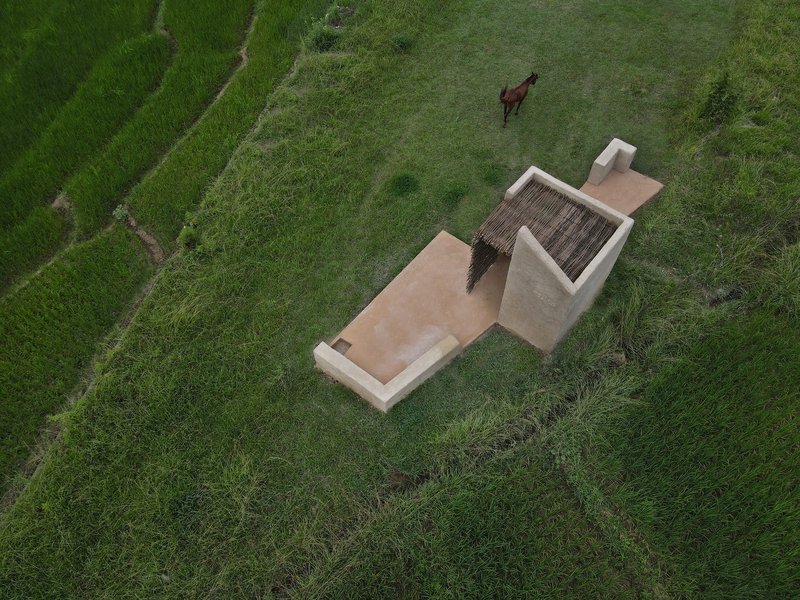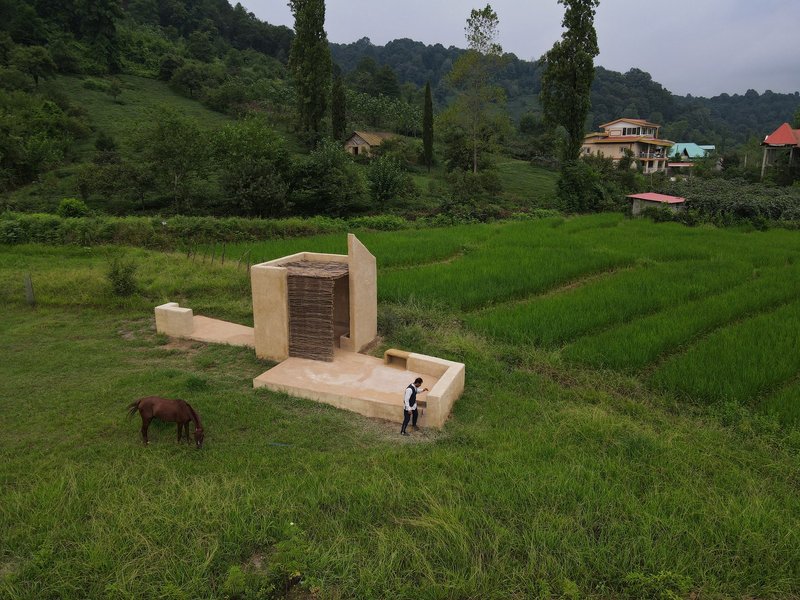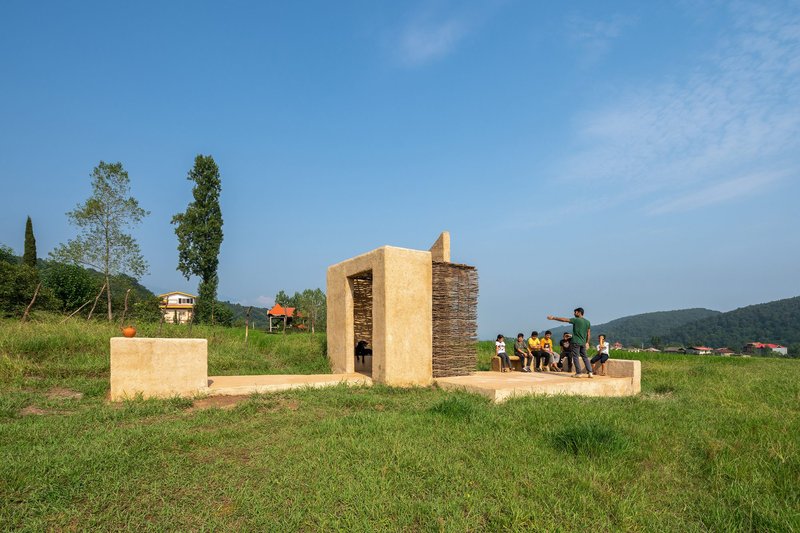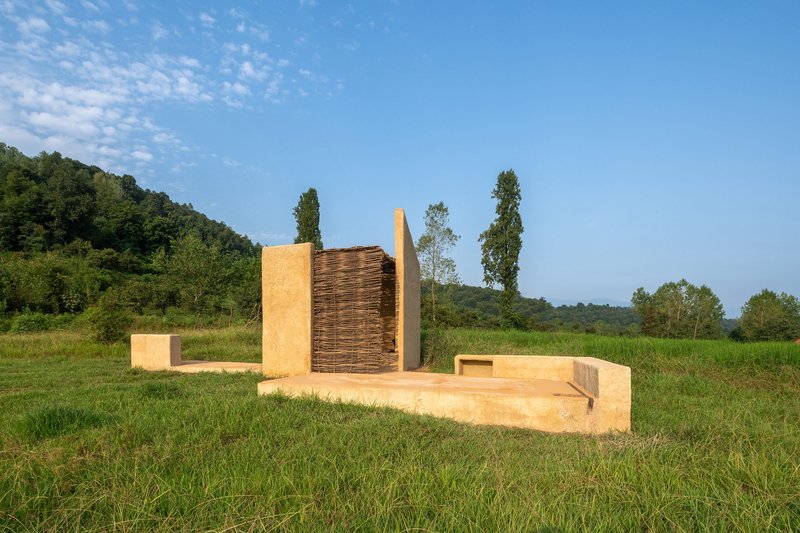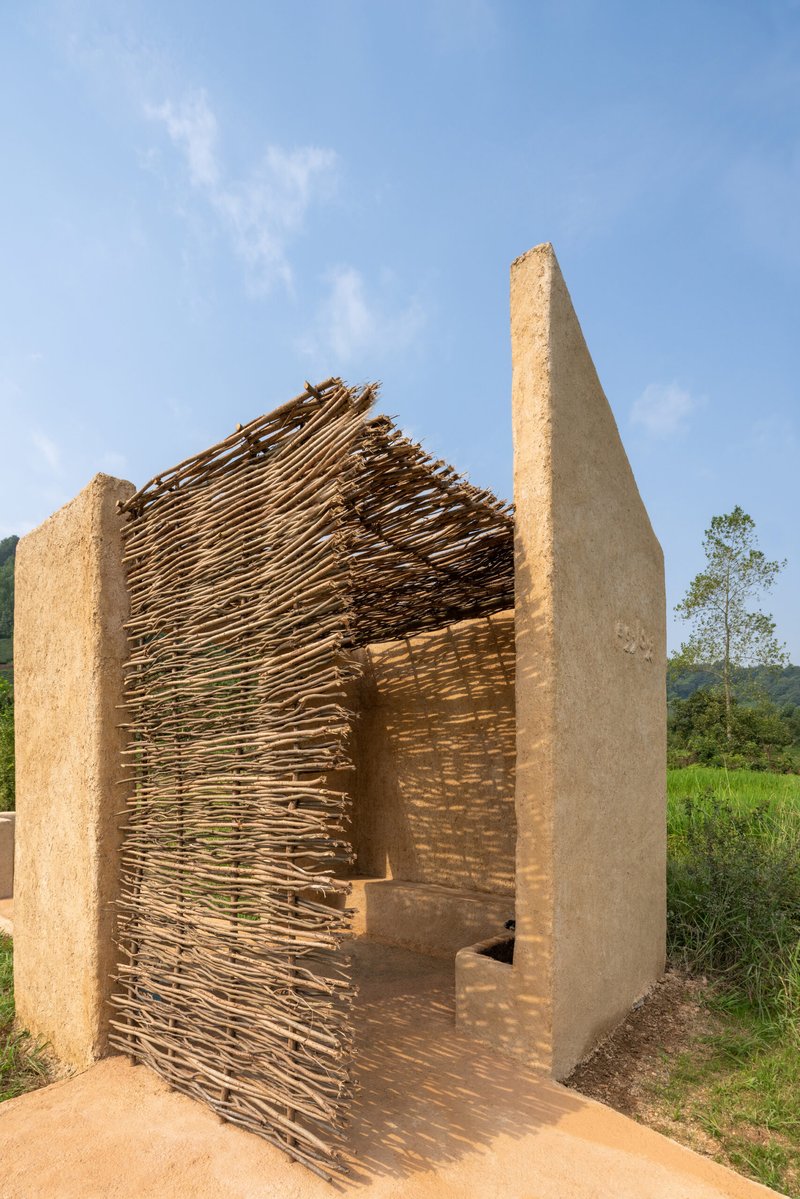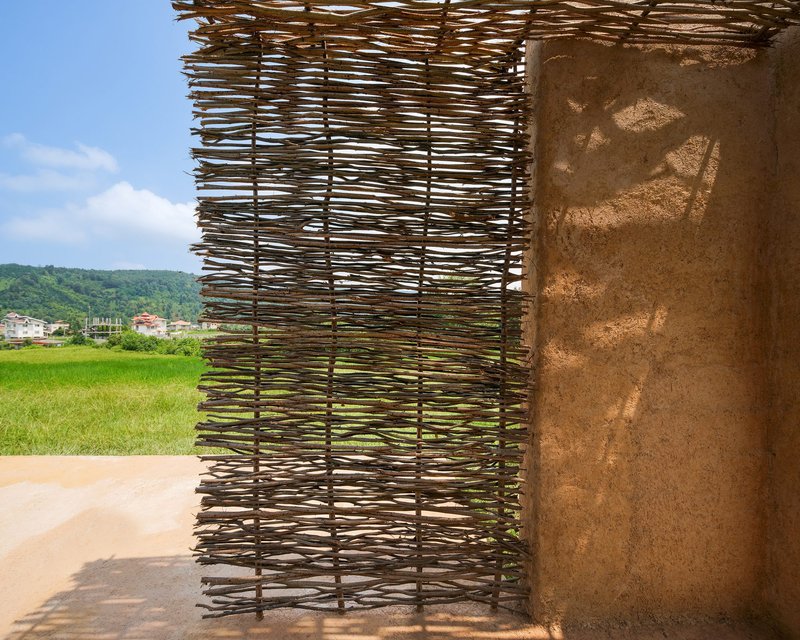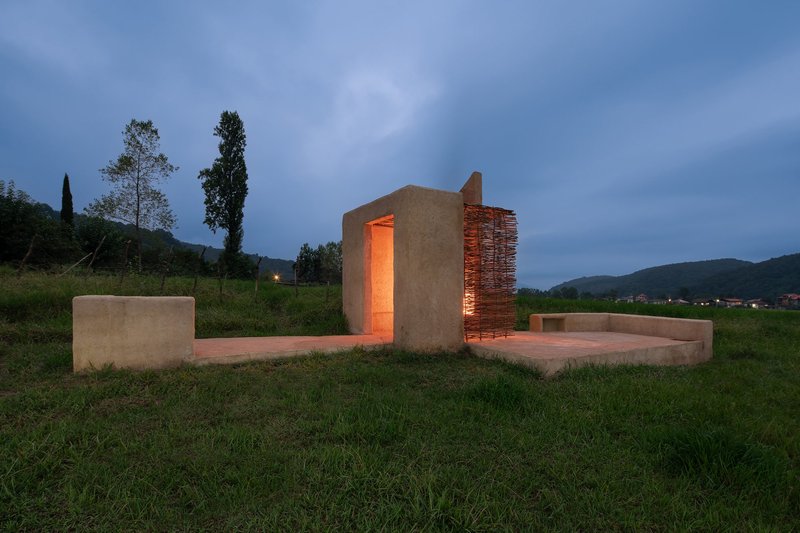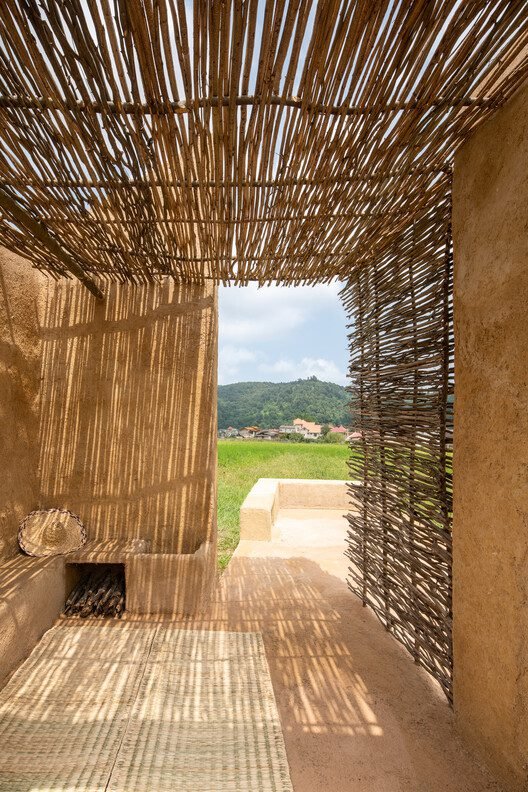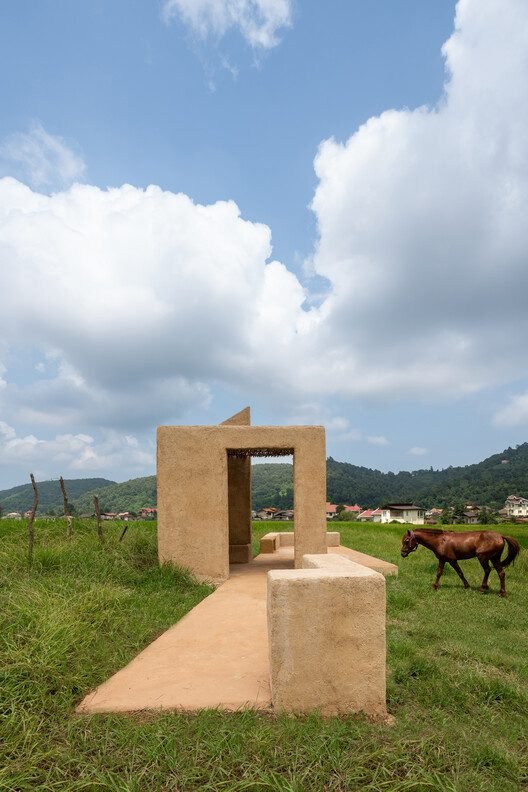
Nestled serenely atop a hill that shares its name, the Pordarom Ecotourism Complex in Shahsavar is more than a mere architectural endeavor. It is a poetic dialogue between the earth and the sky, a testament to the harmonious balance between human creation and nature's bounty. Designed by the visionary minds at the MRK office, this Iranian masterpiece gazes out over the undulating rice fields, an aerial symphony of emerald and gold.
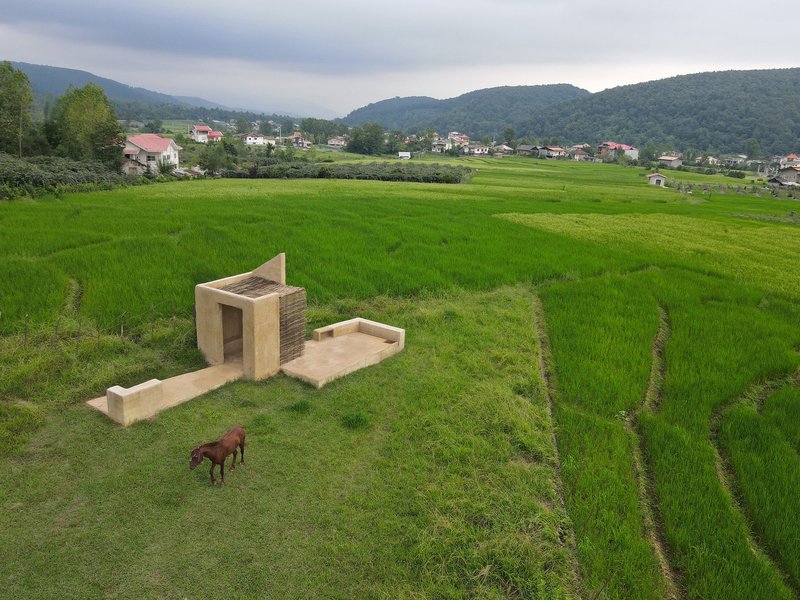
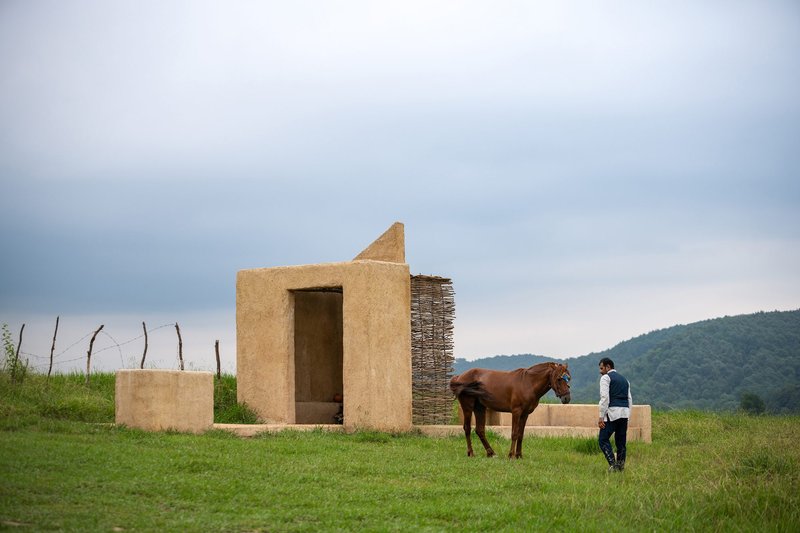
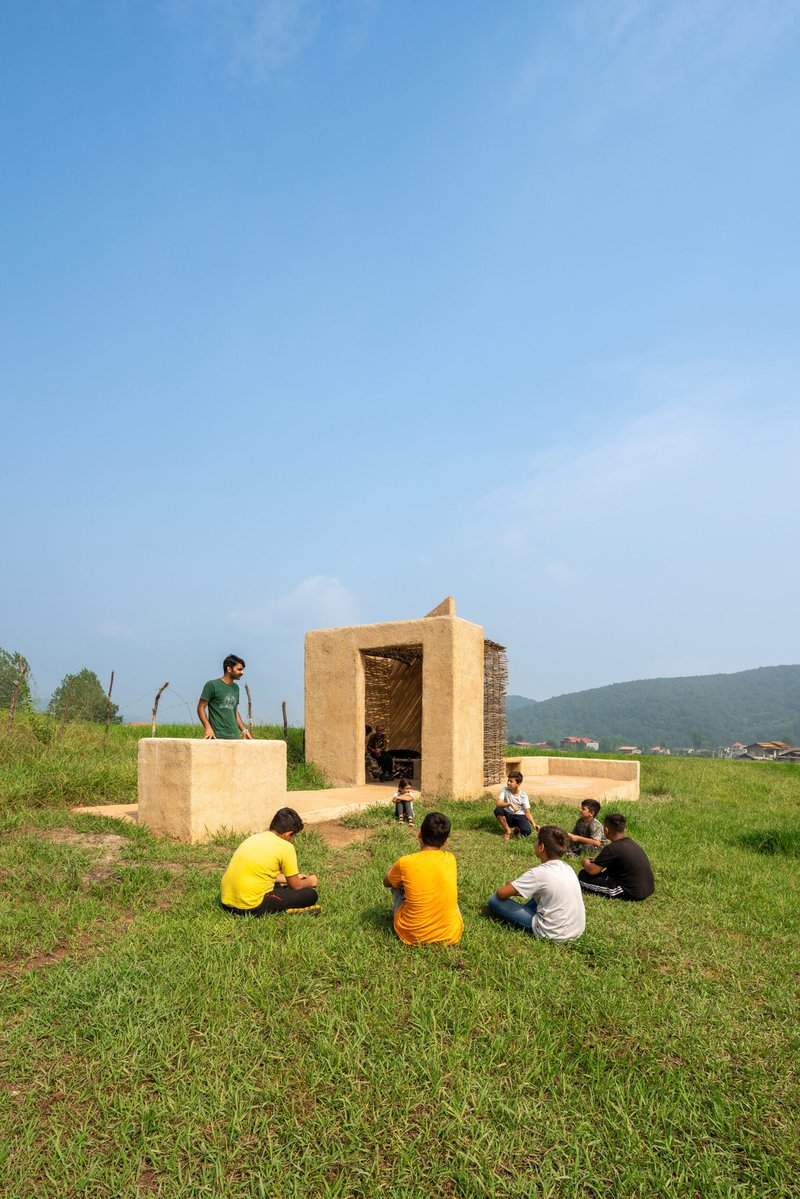
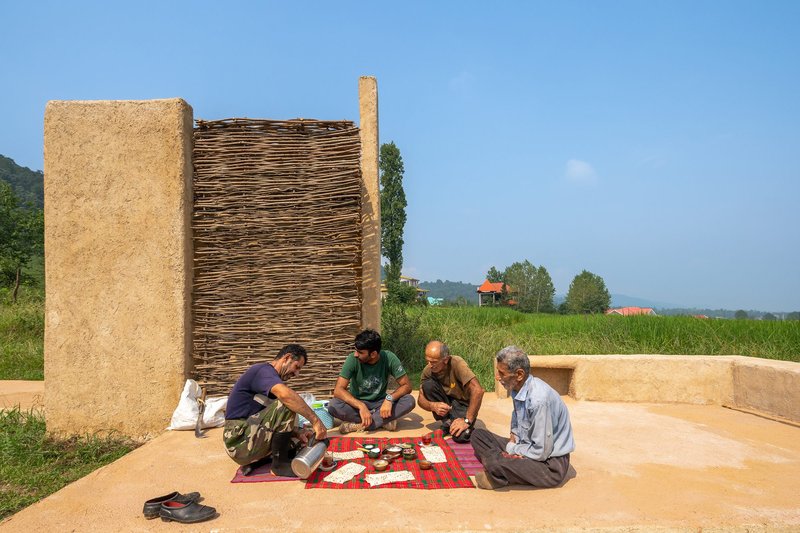
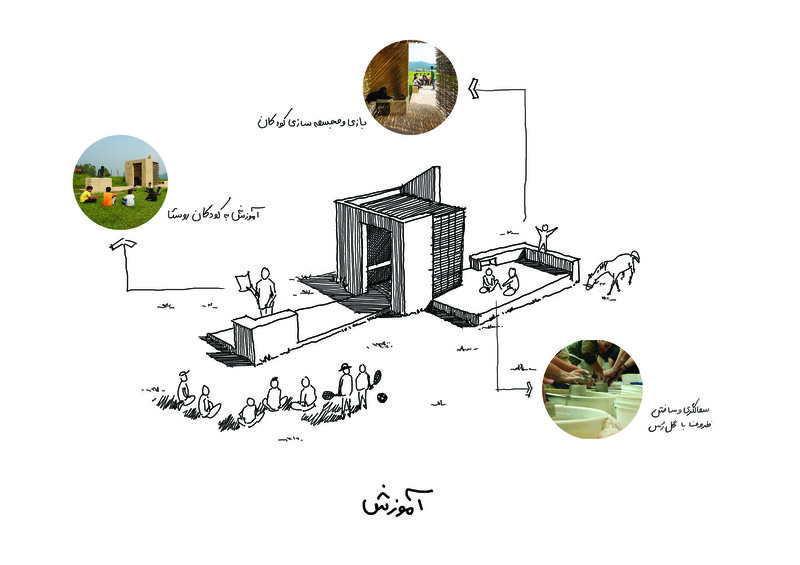
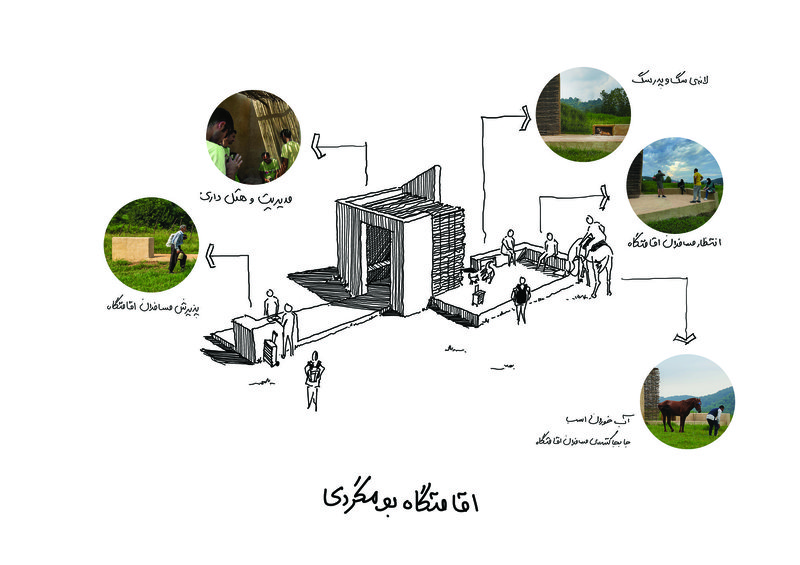
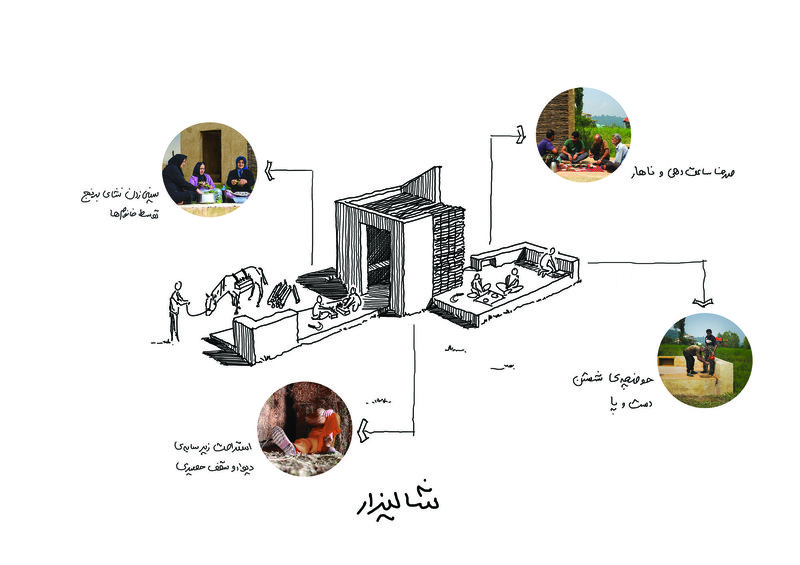
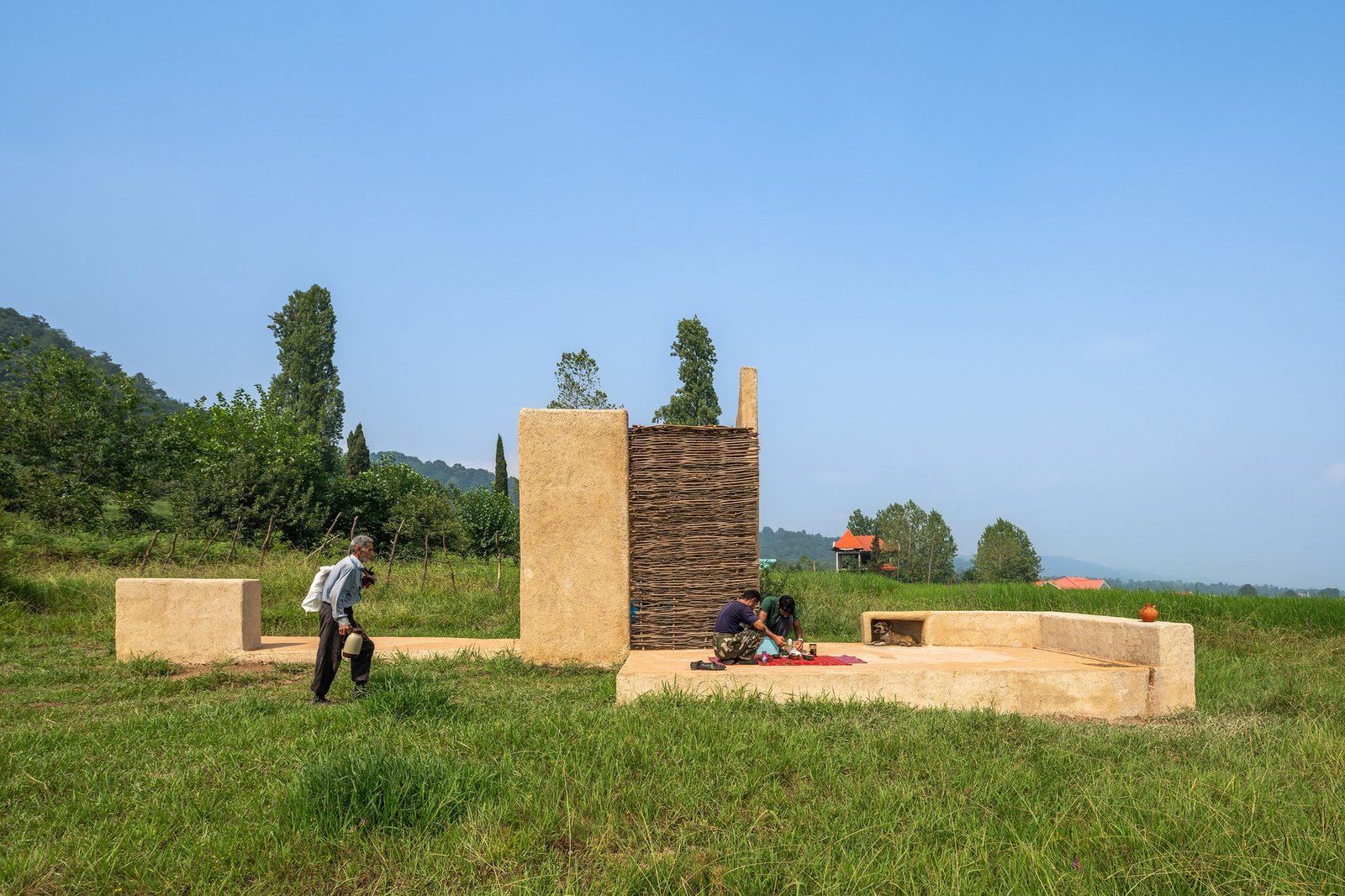
One approaches this ethereal abode not by the modern means of transport, but rather by the timeless grace of horse or mule, inviting a journey that harks back to simpler times. The request from the owner was simple yet profound: a temporary space, devoid of ceremony, where the initial embrace of guests could unfold amidst the rural landscape. However, the architects, in their wisdom, saw beyond utility. They recognized an opportunity to honor the land's ancestral stewards—the Shalikaran—creating a space that serves not just for welcome but for gathering, for sustenance, for women’s work, and communal repose.
The site survey revealed a tapestry of community life, where the laughter of children in spaces of learning and play interweaves with the rhythm of daily chores. The architects, inspired by this vibrant pulse, envisioned a space that would be as much a part of the village as the villagers themselves, an extension of the cultural fabric that nurtures and sustains.
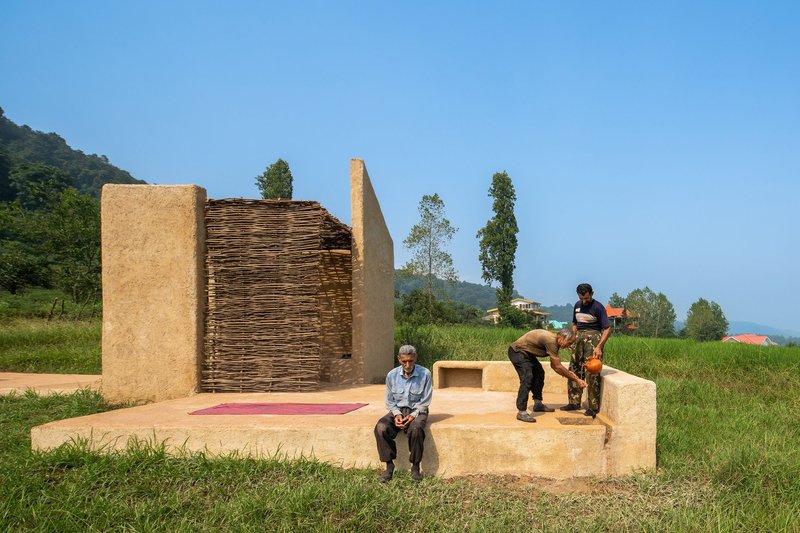
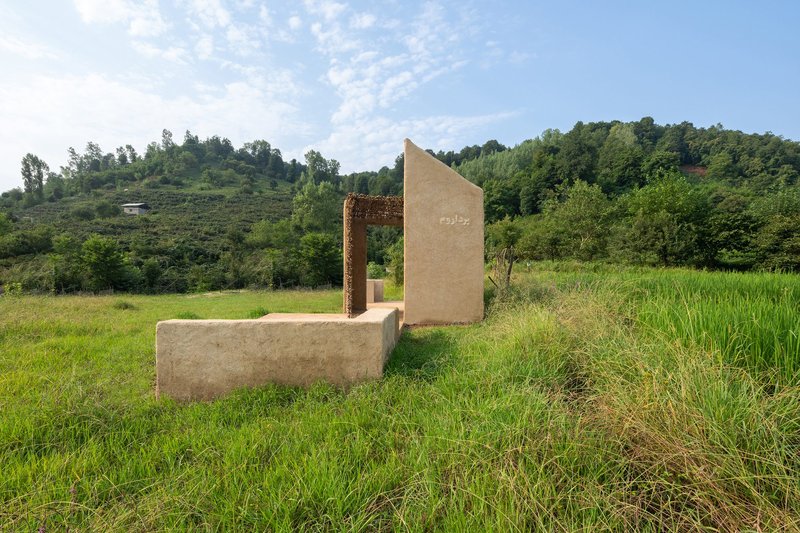
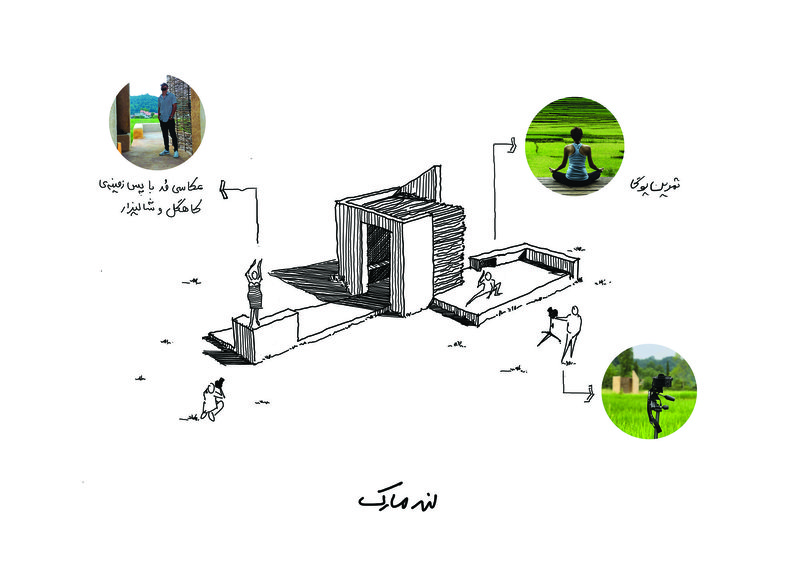
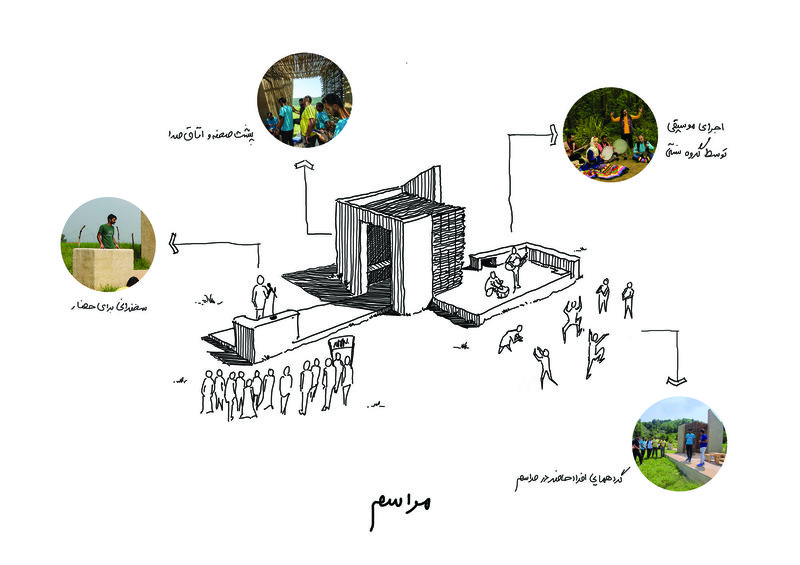
The intrigue of Pordarom does not end with its architectural finesse. It is also the starting point of Shahsavar's registered trail running site, where each race begins and ends with ceremonial flair. The architects, ever mindful of the site's multifaceted role, crafted a stage that stands ready to host these communal celebrations, blending seamlessly with the environment yet offering a defined space for festivity.
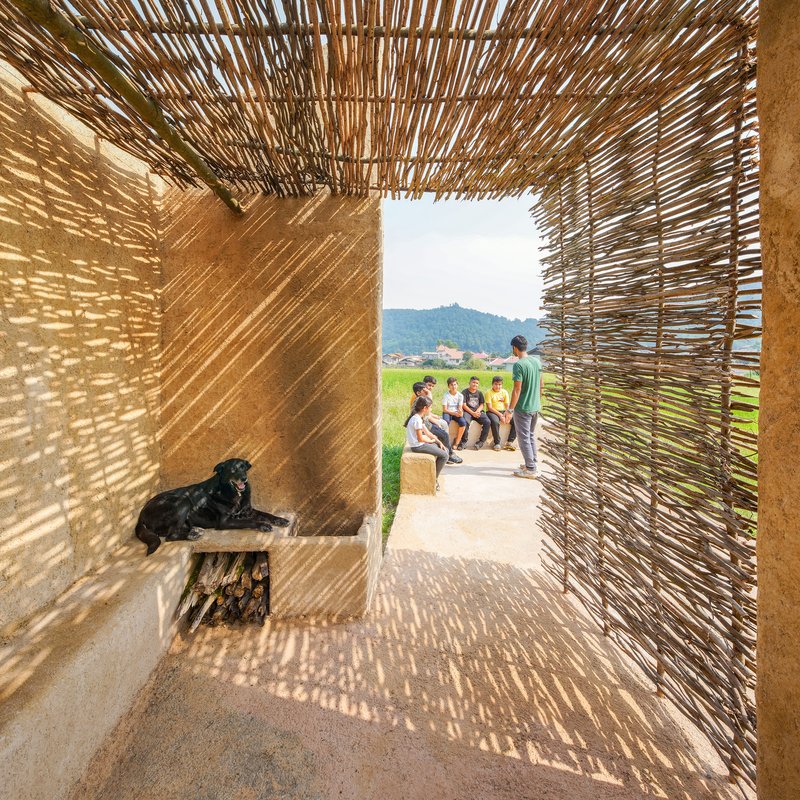
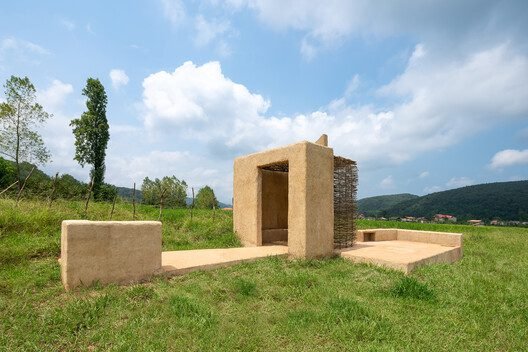
In the hands of Mohammadreza Kohzadi, guided by the executive architect Milad Abedini, the Pordarom Ecotourism Complex emerges not just as a place of rest but as a beacon of cultural continuity and ecological mindfulness. The deft use of local materials and the gentle embrace of natural light infuse the structure with a sense of belonging, as if it has always been there, waiting to be discovered.
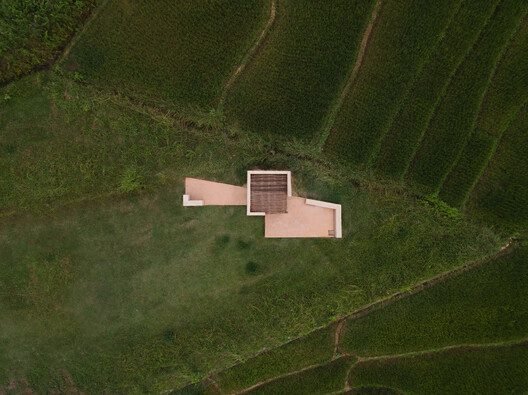
This is architecture that speaks in whispers, inviting those who tread its paths to pause, to breathe, and to reflect. It is a sanctuary where the past and present converse, where the beauty of the landscape is both canvas and muse. In experiencing Pordarom, one partakes in a collective memory, a shared journey into the heart of nature's embrace.