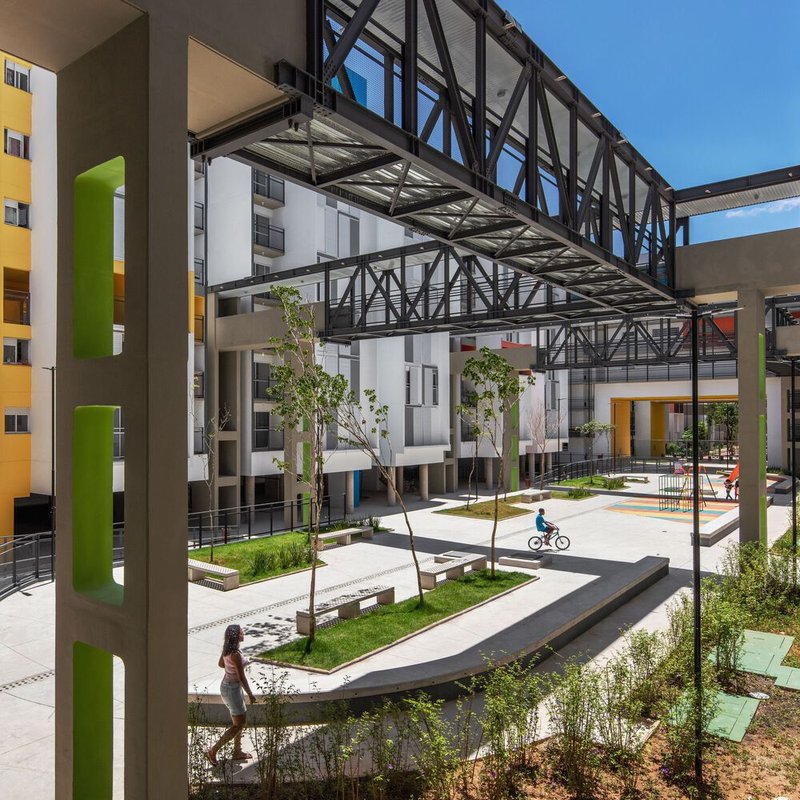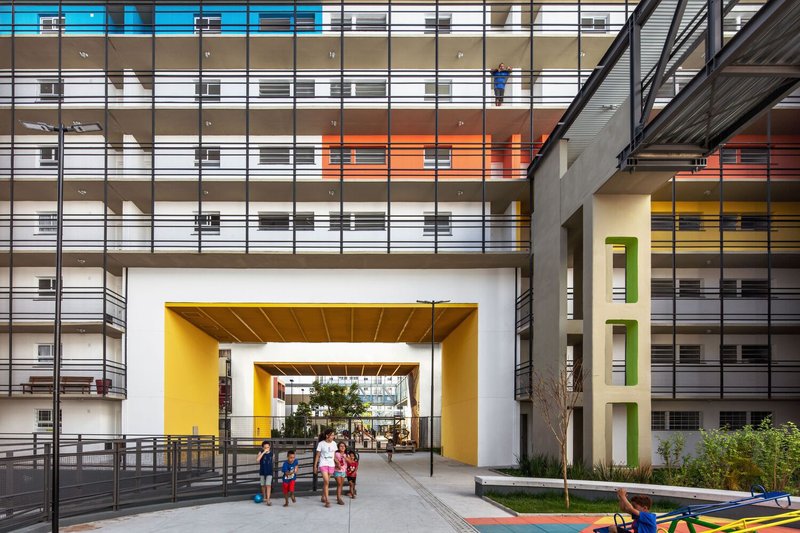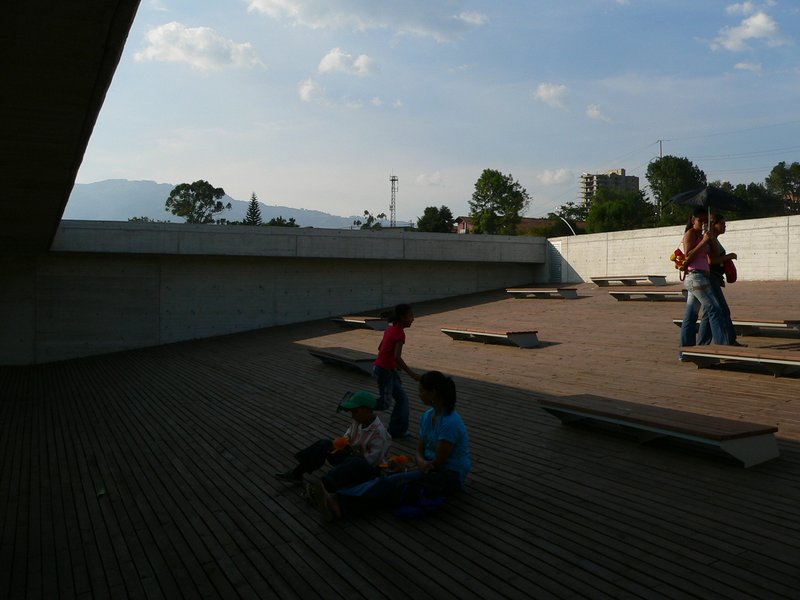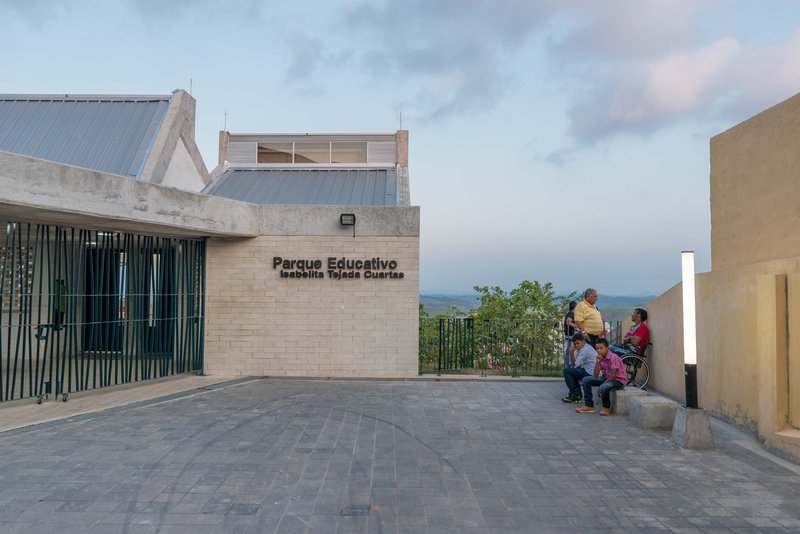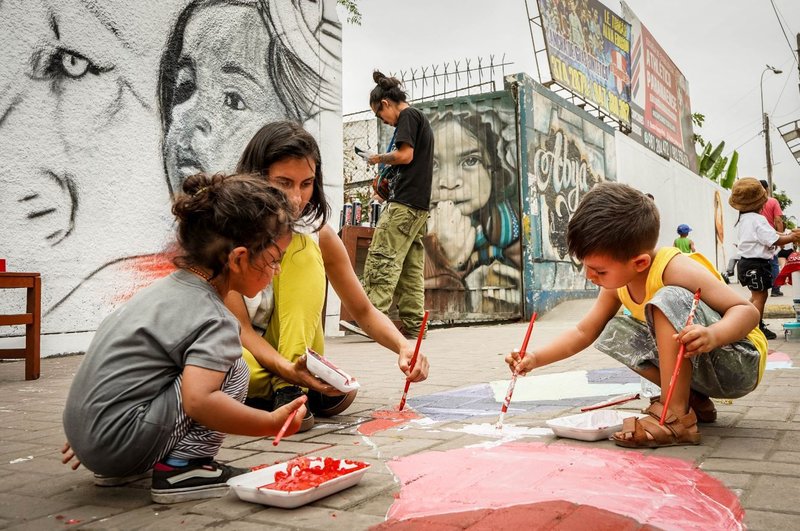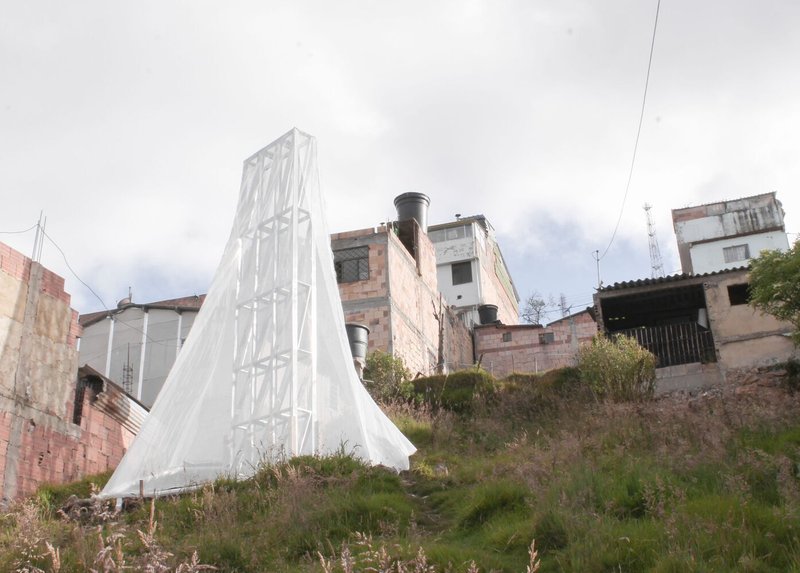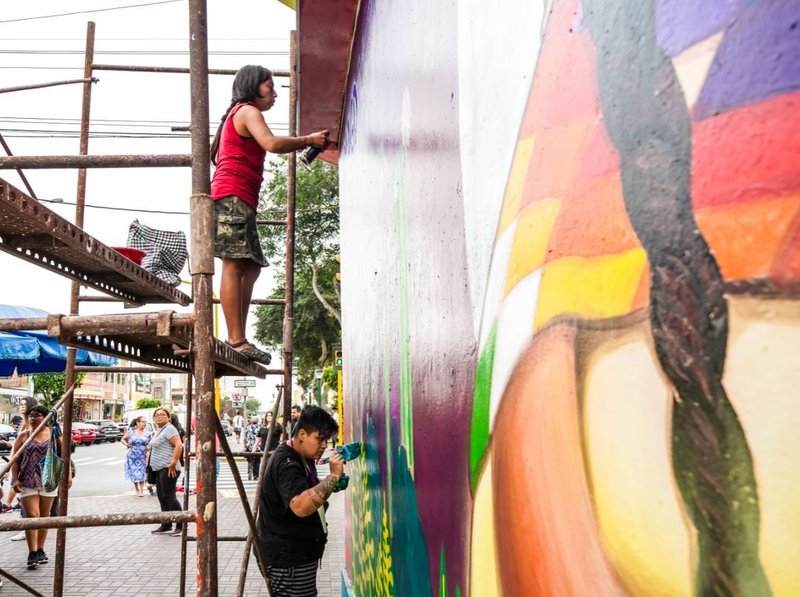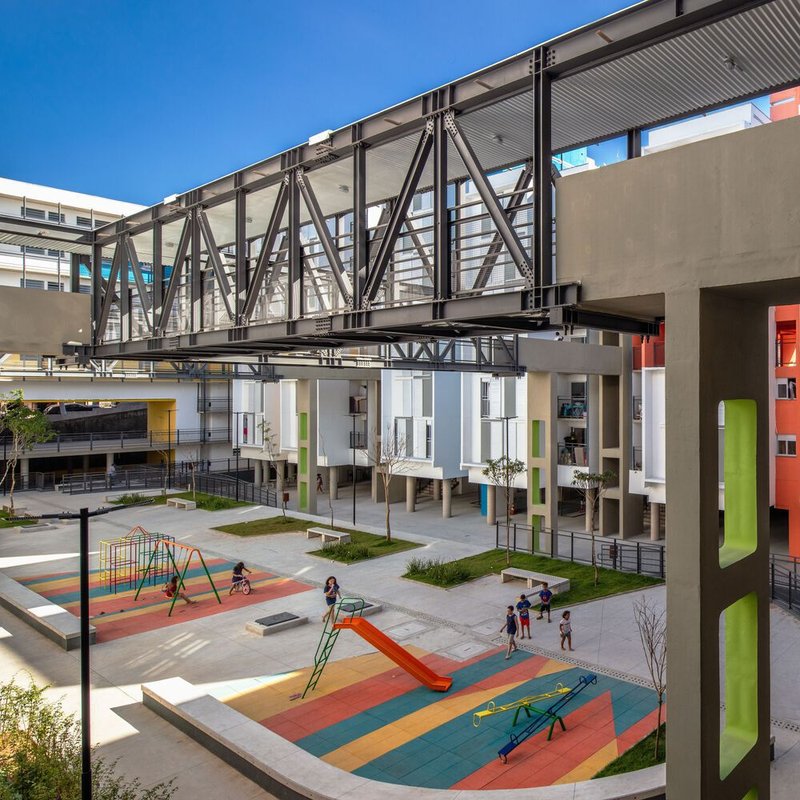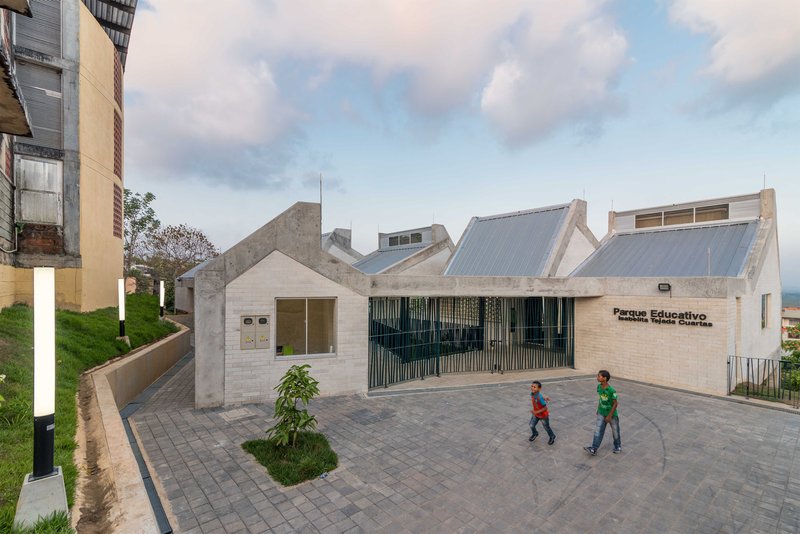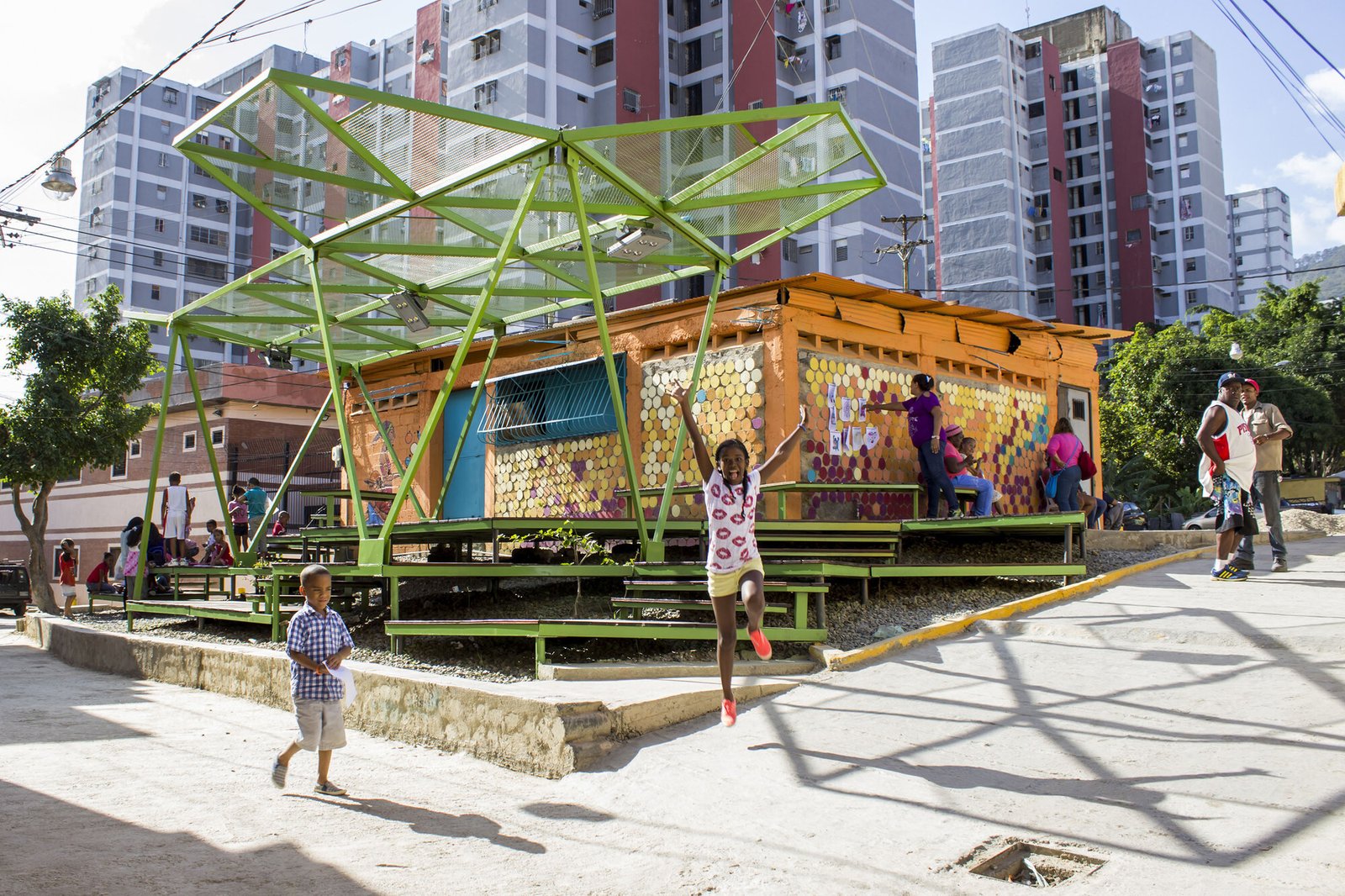
In the heart of Latin America, the orchestra of life rarely finds its rhythm in grandiose architectural exhibitions or sprawling urban blueprints. Instead, it dances gracefully through the spaces in between—the courtyard, the veranda, the sidewalk, and the communal corridor. Often dismissed by the stoic gaze of traditional architecture as residual or informal, these spaces are the cradle of daily life, where connections are woven with the threads of human interaction. Emerging from this cultural tapestry is a spatial ethos that organizes life in a manner both relational and expansive. The act of sitting at a door's threshold, claiming a slice of the sidewalk, or transforming a street into a playground breathes life into a city that transcends the rigid confines of formal design. This occupation of intermediary spaces, far from signaling infrastructural inadequacy, embodies a cultural affinity for serendipity and improvisation. Thus, the Latin American city evolves not as a static artifact but as a living cultural process, perpetually reshaped by daily engagements. In this ever-changing landscape, the collective act of placemaking transcends mere form or function. It becomes a symphony of encounters, where space is imbued with meaning through appropriation, care, and social negotiation. Within this architectural lexicon, spaces of gathering find form in various ambiances, with the courtyard standing as a testament to unprogrammed freedom. In a climate that often entices one outdoors, the courtyard becomes a bridge between the intimate and the communal, hosting children at play, adults in discourse, moments of respite, and festive celebrations. Its versatility defies rigid programming, inviting life to layer and overlap in delightful chaos. Echoing the thoughts of visionaries like Herman Hertzberger, it is the 'incomplete' spaces that best embrace everyday appropriation, liberated from the constraints of predetermined use. Far from a modern invention, the courtyard's lineage traces back to the earliest Indigenous settlements. In these primordial communities, the village's heartbeat resonated around a central collective space—a clearing, a yard, a patio—that unified dwellings and conducted rituals, assemblies, and festivities. This space, neither residual nor secondary, served as the nucleus of social, political, and symbolic life. In contemporary architecture, the courtyard continues to assert its relevance, as seen in São Paulo's Heliópolis Housing Complex by Biselli Katchborian Arquitetos. Here, courtyards and undefined voids weave into the urban fabric, nurturing informal coexistence and fortifying the social fabric. Yet, these devices of belonging and encounter transcend architectural borders, spilling into shared backyards, common corridors, and impromptu plazas. The Latin American neighborhood often blurs the lines between private and public realms, extending architecture into the community. In this milieu, community facilities emerge as vital mediators between institutional space and everyday life. Colombia's library-parks exemplify this role. Projects such as the León de Greiff Library Park by Giancarlo Mazzanti and the Remedios Educational Park by Relieve Arquitectura serve not as isolated edifices but as social infrastructures ingrained in neighborhood dynamics. Here, architecture unfolds into courtyards, platforms, and plazas, intertwining with the street, and reintroducing cultural programs into daily life. This philosophy echoes Raquel Rolnik's critique of urban space commodification and her advocacy for the right to the city as a right to appropriation, use, and permanence. By embedding themselves within popular territories and engaging with existing dynamics, these Colombian cultural facilities enhance local social networks and broaden the horizon of collective life. Beyond the architectural paradigms, the collective crafting of space in Latin America is deeply rooted in subjective foundations. Here, 'building a place' is an open-ended endeavor, not a quest for an ideal configuration but a commitment to sustaining spatial, social, and political conditions that allow for continuous reinterpretation by its inhabitants. This openness embraces conflict, overlapping uses, and transformation as intrinsic elements of common space—not as flaws, but as its raison d'être. In the fabric of everyday Latin American life, this logic flourishes in initiatives like Venezuela's Espacios de Paz, where community participation transforms vacant lots and neglected areas into vibrant places of coexistence, fostering new social dynamics. This practice resonates with collaborative and citizen-led urbanism, where common space is not only designed but also collectively built and maintained. While a significant portion of Latin American urban settlements bears the label of 'informal,' what is often perceived as informality reveals a sophisticated spatial intelligence. Far from a lack of order, it reflects negotiation, adaptation, and inclusion, thriving through everyday use and shared experience. In Latin America, these processes illuminate the collective creation of urban space, a testament to the region's vibrant cultural ingenuity.