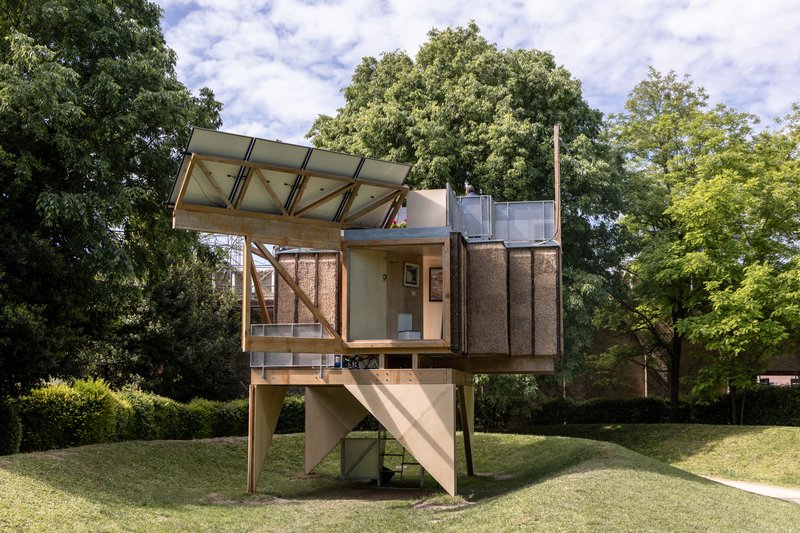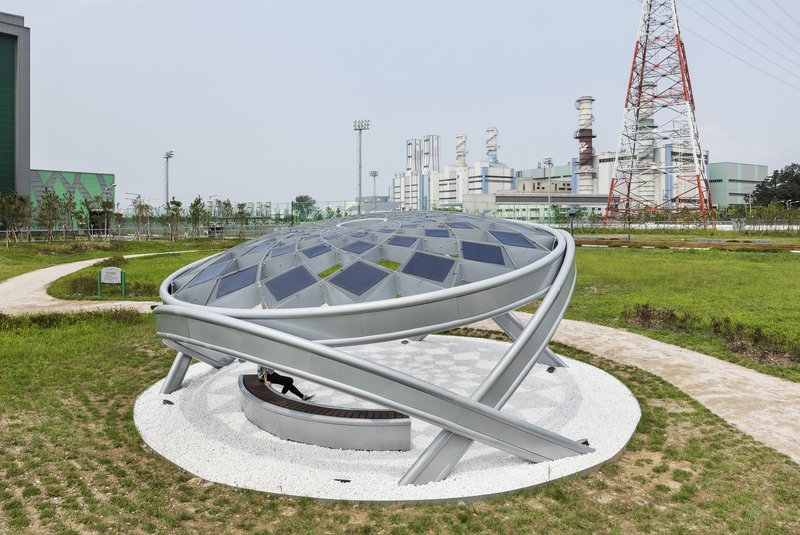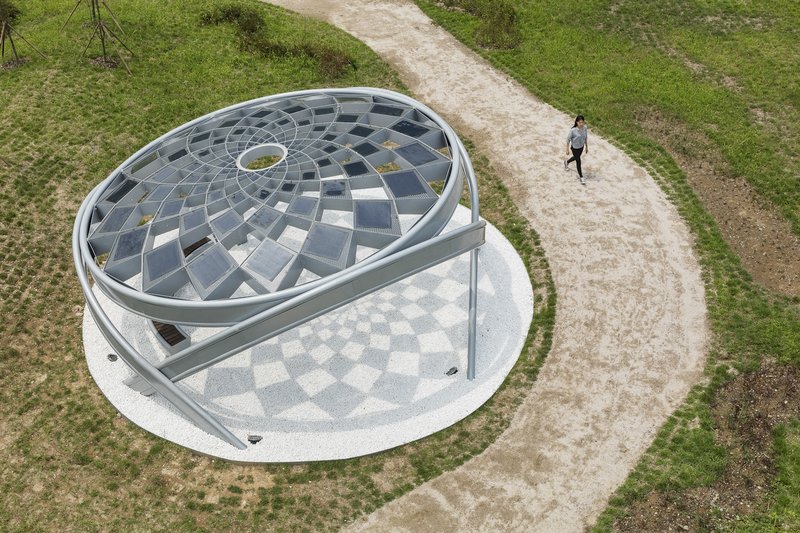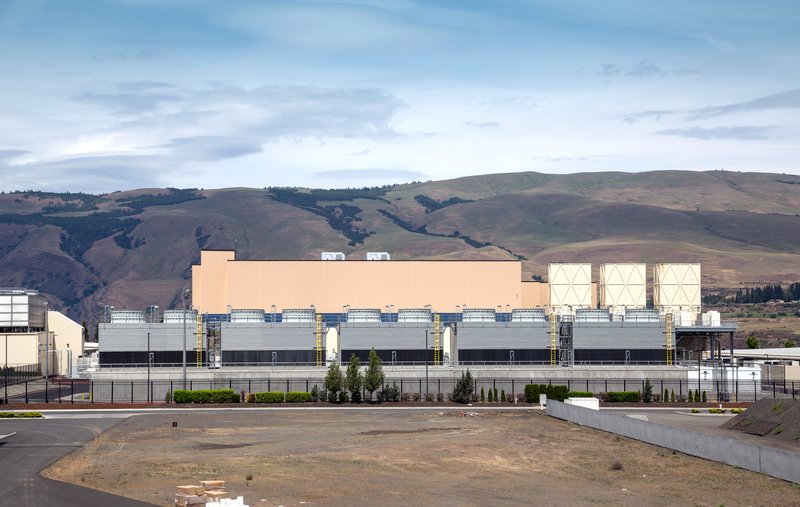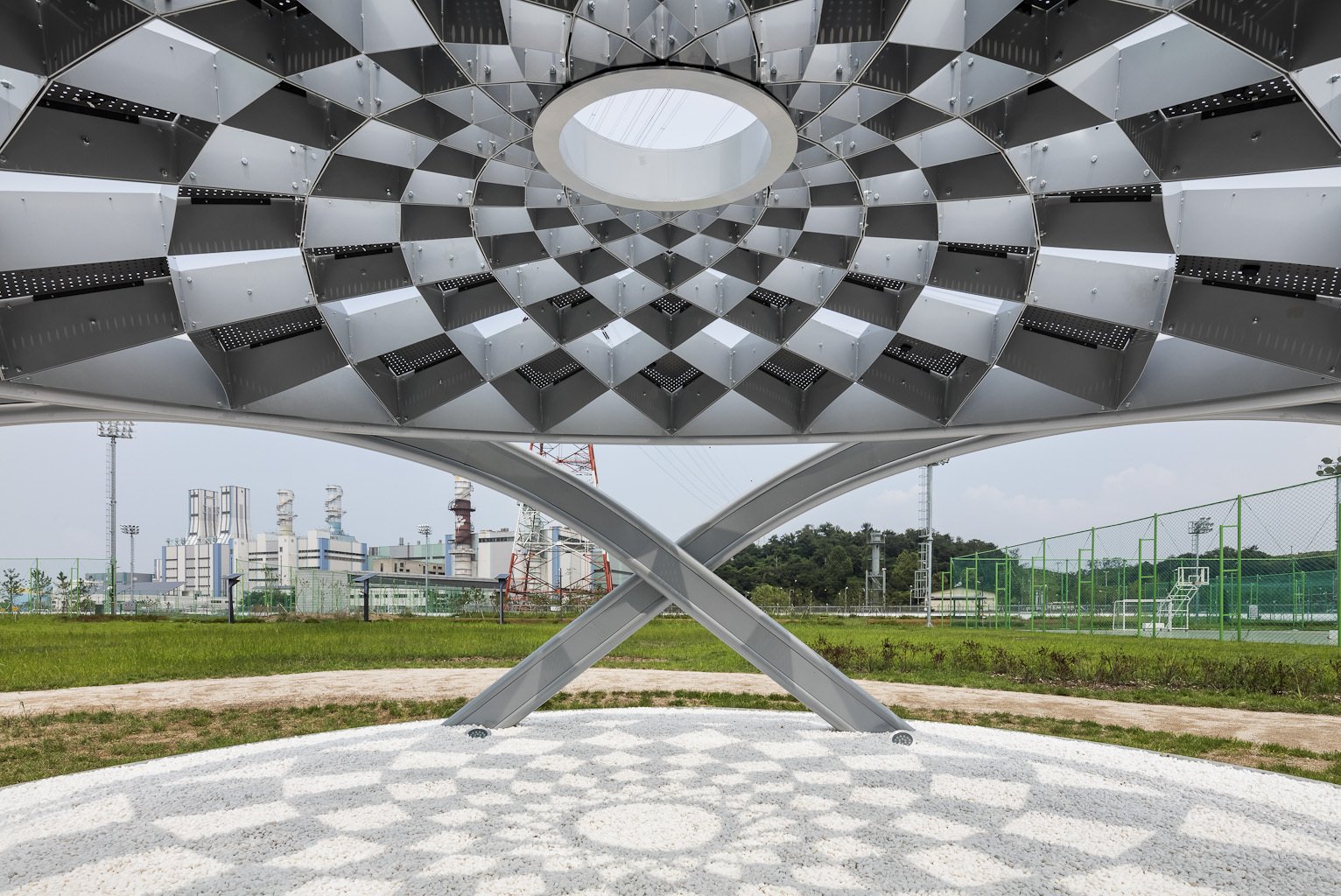
January 26 heralds the International Day for Clean Energy, an initiative that seeks to illuminate the path towards a harmonious transition from the shadowy realms of fossil fuels to the radiant embrace of clean energy. This transformative shift, marked by the pivot from finite, extractive sources to those that harness the perpetual dance of nature, is not merely a technological evolution but a profound cultural renaissance. In an age where the specter of climate change looms ominously, clean energy emerges as a beacon of hope, promising a reduction in emissions and a broadening of reliable power access. Yet, the moniker 'clean' does not render these systems immune to the spatial and environmental reverberations they propagate.
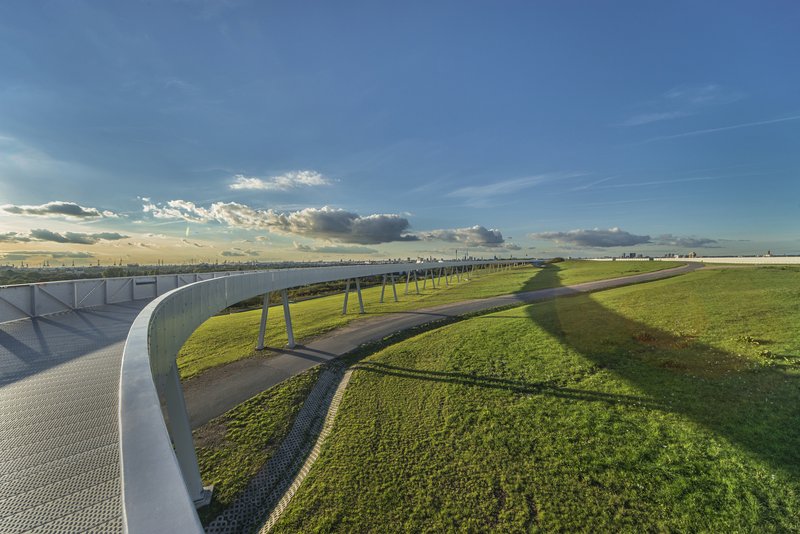
In this nuanced landscape, architectural ingenuity becomes a vital ally, offering insights into the interplay of space, materiality, and human habitation. As the United Nations asserts with unequivocal clarity, the cessation of fossil fuel reliance is imperative, and our built environments must be suffused with clean, accessible, sustainable energy. The intricate tapestry of greenhouse gases that envelops our planet is predominantly woven by the threads of energy production, particularly through the combustion of fossil fuels. This global narrative is further complicated by entrenched inequalities in energy infrastructure, with vast regions still tethered to polluting fuels, perpetuating cycles of poverty and stifling opportunities in education, healthcare, and economic vitality.
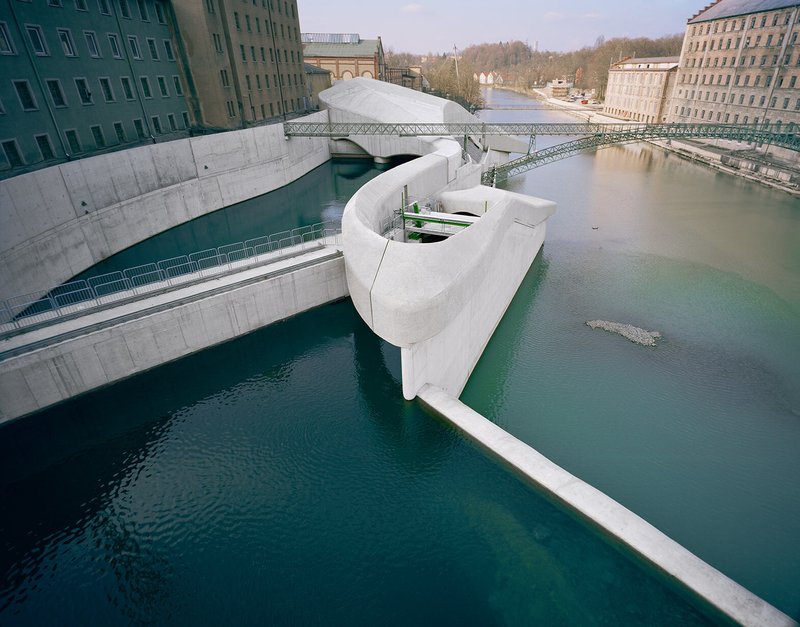
Architecture and urban planning, those ancient arts of space-making, wield the potential to not merely extend the reach of energy access—buoyed by the burgeoning per capita renewable capacity—but to also enhance energy efficiency. This involves the alchemy of achieving the same outputs with diminished energy inputs, through the adoption of advanced technologies in transportation, edifices, and illumination. To navigate the labyrinth of energy transitions effectively and equitably, one must comprehend the operational paradigms of diverse energy sources, their integration into the built environment, and the environmental footprints they etch.
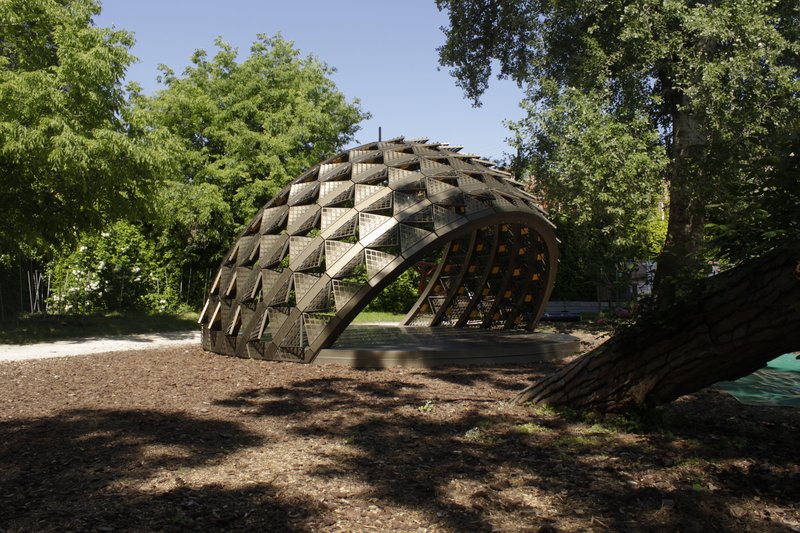
As global efforts to combat climate change intensify, the discourse shifts towards two pivotal approaches that consider the impacts of energy sources from the outset of design. The first approach examines energy production and distribution through the lens of territoriality, scrutinizing how infrastructure sculpts landscapes, ecosystems, and patterns of inequality on local and regional stages. The second approach delves into the architectural and technical apparatus through which energy is captured, stored, and consumed, contemplating how their design, placement, and materiality resonate within their ecological contexts.
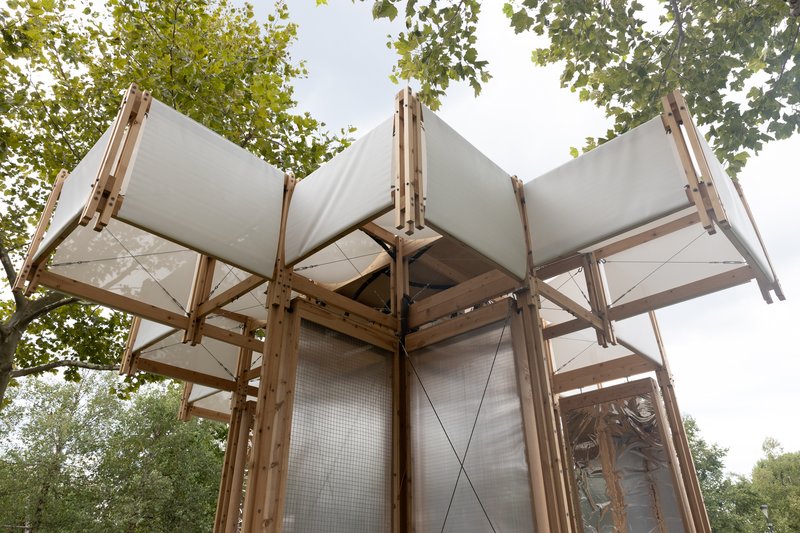
Today, the repertoire of clean energy sources is dominated by renewables—wind, solar, geothermal, and hydropower. The United Nations also acknowledges ocean energy and bioenergy within this virtuous circle. These systems beckon new architectural forms and infrastructures to capture, process, transport, and utilize energy. However, even these 'clean' strategies often demand an intensive appropriation of scarce resources, such as expansive tracts of land or vast water bodies. This reliance can engender 'sacrifice zones'—areas often inhabited by marginalized communities, experiencing enduring material and environmental degradation, which ultimately erodes local quality of life. The impacts manifest not only in human terms, altering territorial, visual, or auditory conditions, but also in ecological terms, disrupting the delicate balance of animal and plant species that sustain ecosystem equilibrium. Consequently, sacrifice zones risk becoming enduring, and often transnational, symbols of territorial inequity, irrespective of the perceived cleanliness of the energy recovered.
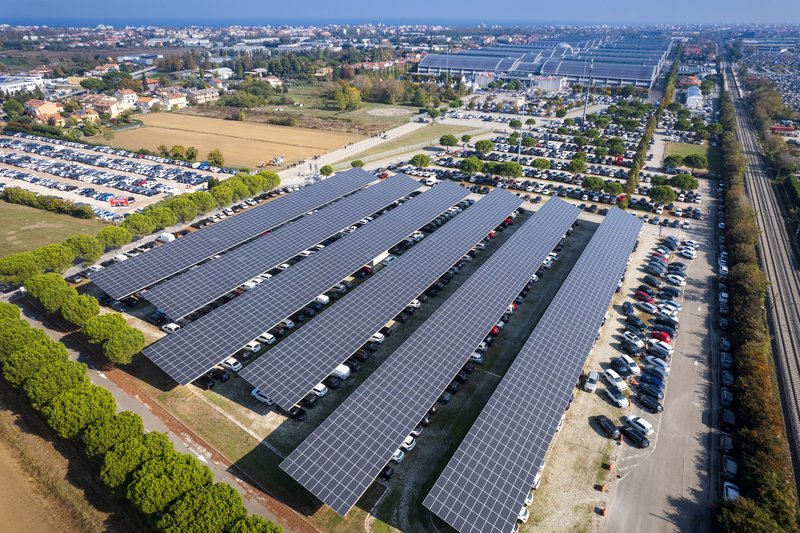
Responses to these challenges increasingly advocate for a shift in scale, championing infrastructure solutions that cater to quotidian needs in more localized and less intrusive manners. This approach embraces circular thinking, wherein solutions germinate from local contexts, mitigating the need for extensive extraction or transportation. Recent exemplars of this paradigm shift abound. The Golden Lion for Best National Pavilion at the 2025 Venice Architecture Biennale, representing the Kingdom of Bahrain, showcased an installation that passively mitigates public space temperatures. Similarly, Henning Larsen's KlimaKover presents a modular, low-energy system providing thermal respite sans mechanical cooling. In Venice, MVRDV has explored environmental responsiveness through kinetic adaptation in its SOMBRA Pavilion. On a grander scale, in Finland, waste heat from local cryptocurrency mining is seamlessly integrated into district heating systems, warming approximately 80,000 homes and markedly reducing dependence on traditional boilers.
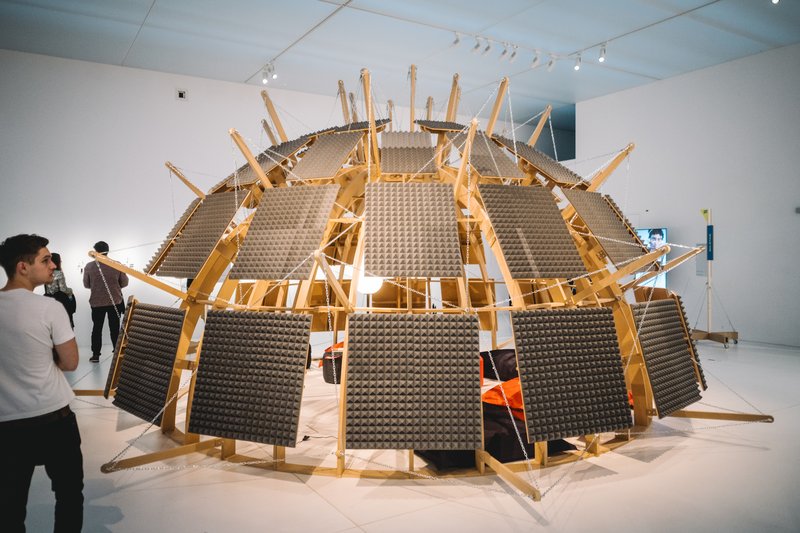
Beyond macro-scale policies and infrastructural systems, alternative energy sources permeate daily life through products and building-scale technologies. Panels, turbines, batteries, and their kin form the interfaces through which energy is harvested, stored, and consumed, rendering them particularly salient to architecture and construction. Although often perceived as inherently benign, these products bear environmental and economic implications rooted in their material composition, manufacturing processes, maintenance demands, and end-of-life management. Critical minerals, composite materials, and intricate supply chains are embedded within many renewable energy products, while their deployment introduces novel cycles of consumption, replacement, and waste. As costs have plummeted, rendering renewables more accessible and reliable, these systems have scaled in prominence, yet they invite a contemplative inquiry into their broader implications for our built and natural worlds.